
How Skilled Cleanup Services Support Safety, Speed, and Rebuilding
After a major storm, fire, or flood, damage can feel overwhelming. Homes, roads, and businesses may sit under piles of wreckage. This debris blocks access and slows recovery. Fast action matters in these moments. Trained cleanup services play a key role in helping communities move forward. They clear unsafe materials and protect people from harm. These services also support insurance work and rebuilding plans. Understanding how this process works helps you make smarter recovery choices.
Understanding the Scope of Disaster Cleanup Work
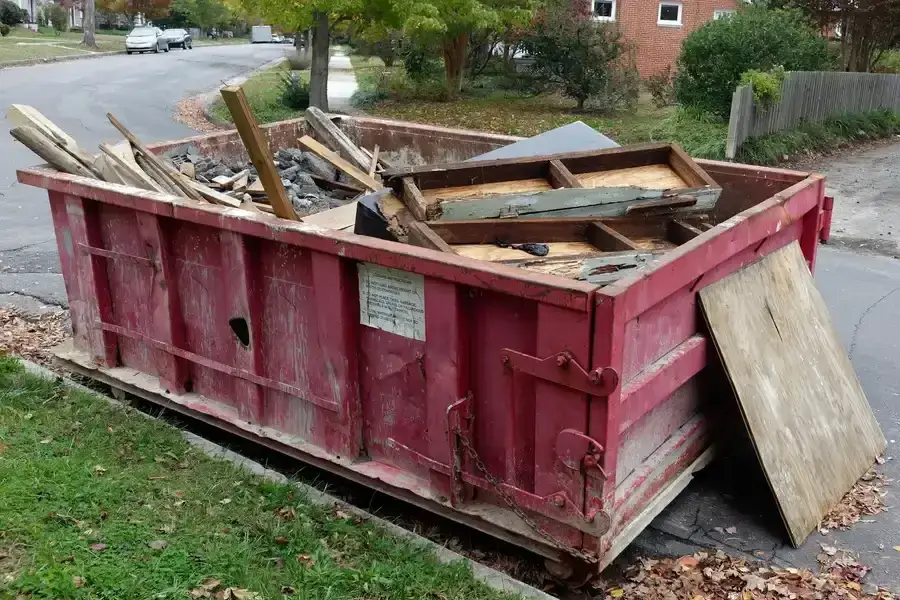
Professional Debris Removal involves more than hauling junk away. Teams handle fallen trees, broken building parts, and damaged household items. They also manage hazardous waste like sharp metal or spoiled chemicals. Proper sorting keeps people safe and meets local rules. Clean sites allow crews to assess structural damage faster. This speed helps recovery stay on track and avoids added losses.
Why Skilled Cleanup Supports Faster Recovery
Debris Removal by trained teams reduces delays during recovery. Workers arrive with tools sized for large jobs. They clear paths for utility crews and inspectors. Faster access means power and water return sooner. This speed helps residents return home safely. It also limits mold growth and water damage during cleanup.
Key Benefits for Property Owners and Communities
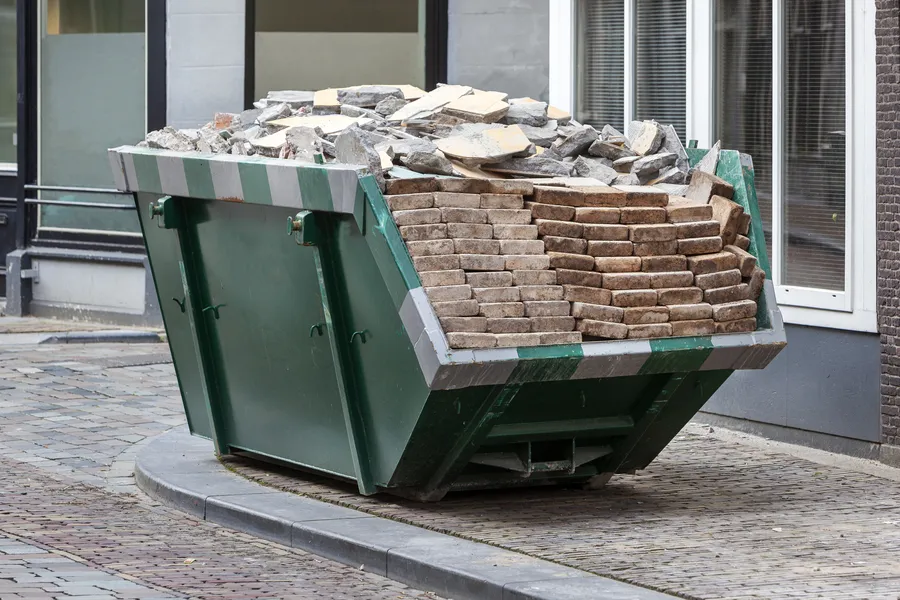
Hiring trained cleanup services offers strong benefits during recovery. These advantages protect health, budgets, and timelines.
- Reduced injury risk from unstable piles and sharp debris
- Faster insurance inspections and claim processing
- Proper waste sorting that meets local disposal rules
- Cleaner sites that support faster rebuilding work
Common Challenges Faced After Major Disasters
Disaster zones create unique problems for property owners. Large debris piles block vehicles and emergency access. Wet materials attract mold and pests quickly. Burned areas may contain toxic ash. Handling these risks without training can cause injuries. Many people also underestimate disposal rules, which can lead to fines. These challenges increase stress during an already hard time.
Step by Step Cleanup Process Used by Professionals
Trained teams follow a clear process to protect safety and speed. Each step helps reduce risk and improve results.
- Inspect the site to identify hazards and priorities
- Sort materials for disposal, recycling, or salvage
- Remove large debris with proper equipment
- Clear fine waste and prepare the site for repairs
Best Practices That Improve Safety and Results
Experienced crews follow proven methods during cleanup. These practices reduce errors and protect health.
- Use protective gear like gloves, helmets, and masks
- Separate hazardous materials from general waste
- Document removal work for insurance records
- Coordinate with inspectors before full rebuilds
Meeting Regulations and Industry Requirements
Cleanup work must follow local and federal rules. Landfills limit what they accept after disasters. Hazardous waste often needs special handling. Crews stay updated on these requirements to avoid violations. Proper paperwork also supports insurance claims. Following standards protects both property owners and cleanup workers.
Cost Factors and Value Over Time
Cleanup costs depend on debris volume and hazard level. Labor, equipment, and disposal fees shape pricing. While DIY cleanup seems cheaper, risks often raise total costs. Injuries, delays, and fines add up fast. Professional services help control expenses by working efficiently. Faster recovery also reduces lost income and housing costs.
Choosing Help That Supports Long Term Recovery
Based in Phelan, CA, support is available when fast cleanup matters most. EL Bonais Junk Removal and Tree Service focuses on safe and efficient disaster cleanup solutions. Call (951) 905-3361 to discuss a recovery plan tailored to a single property. The right help clears hazards and supports rebuilding without added stress or risk.