
Protecting Property and Health With Smart Cleanup Planning
Home cleanup projects sound simple, yet they carry real risks. Piles of waste can hide sharp objects, pests, and dust that harm your lungs. Heavy materials can also strain your back or damage driveways and lawns. A smart approach helps you avoid injuries and costly mistakes. Planning, using the right tools, and understanding local rules saves time and stress. This guide breaks down practical steps that keep your property clean while protecting your health. You will learn how to plan, what problems to expect, and which methods work best for safe results.
Understanding Why Proper Cleanup Matters With Safety First
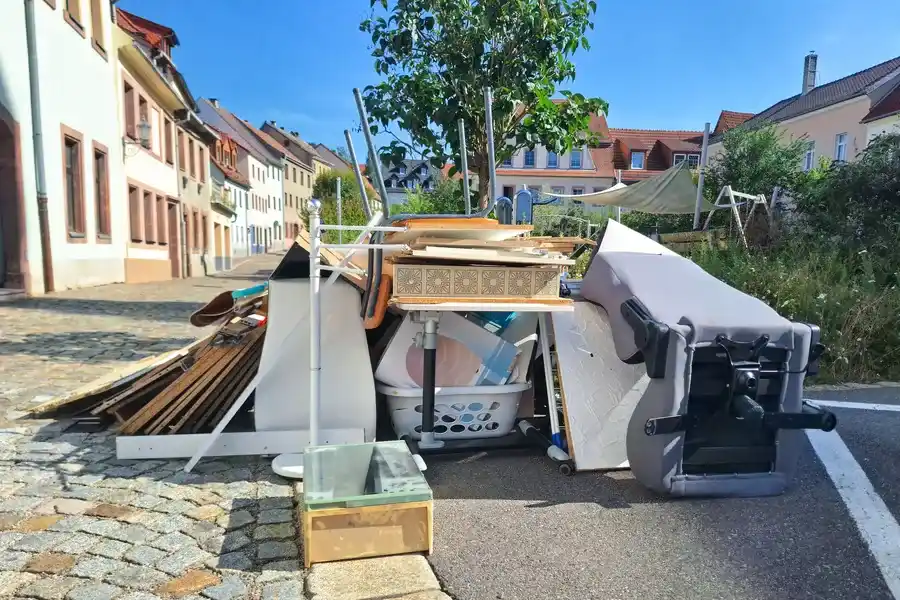
Many homeowners underestimate the risks tied to debris removal during renovations or storm cleanup. Unsafe handling causes thousands of injuries each year, according to safety agencies. Broken glass, nails, and unstable piles can cut skin fast. Poor lifting leads to long-term back pain. Proper planning reduces these risks and keeps projects on track. It also protects nearby utilities like water lines and fences. Taking time to assess the area, map exit paths, and set clear zones prevents accidents and property damage.
Key Benefits of Organized Waste Handling With Long-Term Value
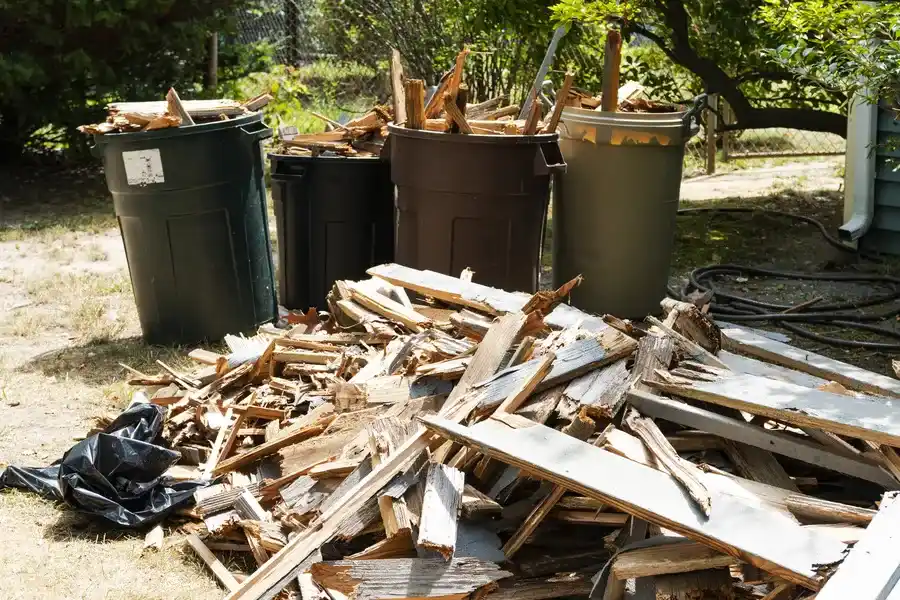
Using structured debris removal methods improves results beyond safety alone. Efficient systems reduce time spent hauling and sorting. They also protect the environment by supporting recycling and safe disposal. Organized cleanup lowers stress and keeps neighbors happy. Benefits include:
- Lower injury risk through clear work zones
- Faster project timelines with less rework
- Better recycling rates for wood, metal, and concrete
- Cleaner yards that protect pets and children
Common Cleanup Challenges Homeowners Face With Real Impacts
Many projects stall because of common planning gaps around debris removal. Limited space makes stacking dangerous. Mixed waste increases disposal fees and rejection at landfills. Weather adds moisture, which increases weight and slip risks. Homeowners often overlook permit needs for curb placement. These issues lead to fines, delays, and injuries. Recognizing these challenges early helps you select safer strategies and avoid setbacks.
Step-by-Step Process for Safe Cleanup With Clear Order
A simple process keeps work controlled and safe. Follow these steps to manage waste from start to finish:
- Inspect the area and note hazards like glass or wires
- Gather gloves, closed shoes, eye protection, and masks
- Sort materials into wood, metal, and general waste
- Choose appropriate containers based on volume and weight
- Load evenly and keep heavy items low
- Arrange proper disposal or pickup dates
Best Practices for Handling Heavy Materials With Less Strain
Experts suggest using proven habits to prevent injuries and damage. Small changes make a big difference. Best practices include:
- Lift with legs and keep loads close to the body
- Use dollies or wheelbarrows for heavy items
- Break down large pieces before moving
- Keep paths clear to prevent trips
Pros and Cons of DIY Versus Professional Help With Clarity
Choosing between doing it yourself or hiring help depends on safety, time, and cost. Compare options before deciding:
- DIY pros: lower upfront cost, flexible timing
- DIY cons: higher injury risk, slower progress
- Professional pros: trained handling, faster removal
- Professional cons: service fees, scheduling limits
Rules, Environmental Standards, and Cost Factors With Awareness
Local rules control where and how waste gets disposed. Many cities require permits for containers on streets. Landfills often ban certain materials like paint or batteries. Recycling centers have sorting rules that affect fees. Costs depend on volume, weight, distance, and labor. Planning around these factors avoids surprise charges. Checking local guidelines before starting keeps your project compliant and budget friendly.
Next Steps for Cleaner Properties With Confident Action
Located in Phelan, CA, I help homeowners plan and manage safer cleanup projects. EL Bonais Junk Removal and Tree Service focuses on clear guidance and responsible waste handling. Call (951) 905-3361 to discuss options that fit your property and schedule. I provide practical advice that reduces risk, controls cost, and keeps projects moving forward.